
Gambling has become part of urban entertainment in Uganda with punters busy in betting shops to mobile apps used across the country.
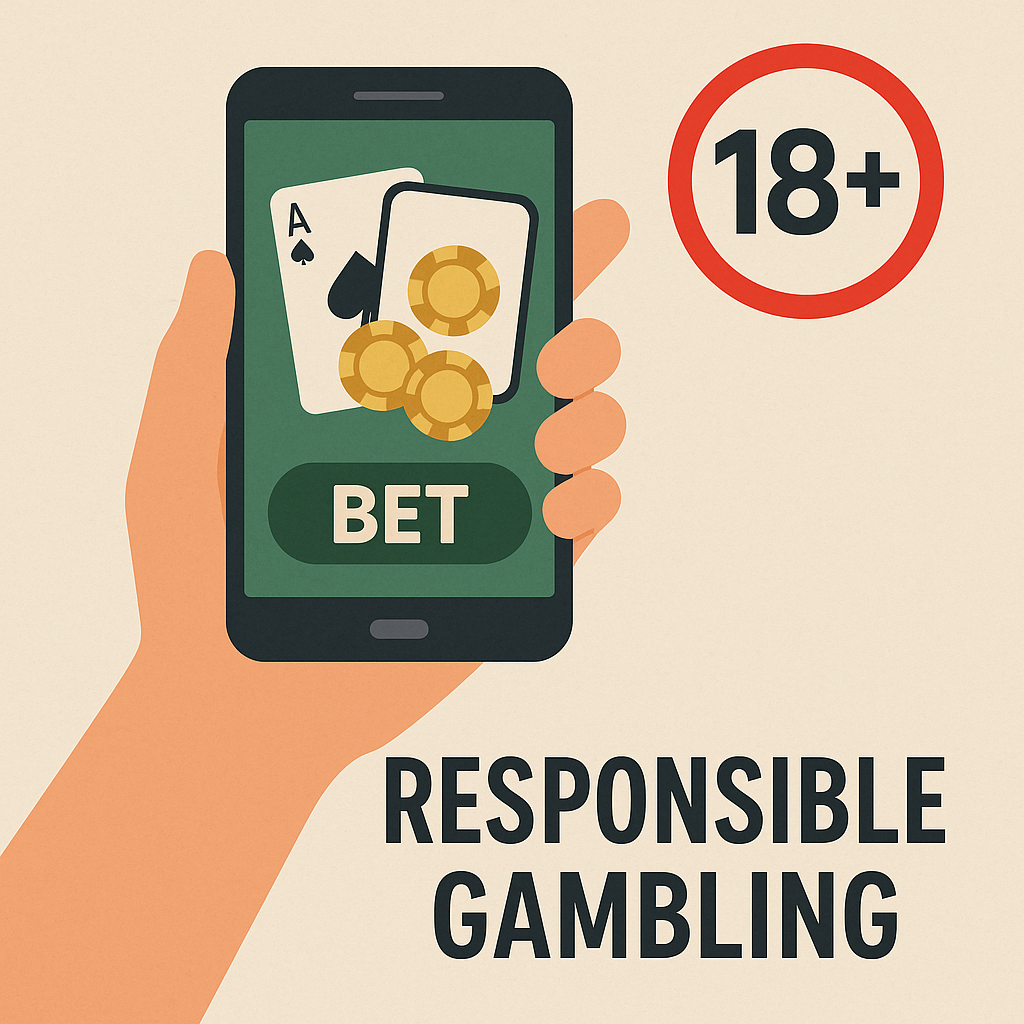
The popularity of gambling and sports betting’s popularity in Uganda is rapidly expanding with thousands placing bets on football, virtual games and lotteries every other minute at work, colleges and homes. However, as this continues to balloon, there’s an urgent need for support around responsible gambling.
A complete guide for responsible gambling help Uganda
Topbets Uganda has prepared this guide to give a comprehensive understanding of responsible betting, a brief overview of the legal framework, the role of the Uganda National Lotteries and Gaming Regulatory Board (NLGRB) and where to get help when gambling becomes harmful.
Gambling in Uganda
In Uganda, gambling includes sports betting which is the most common as well as casino games, virtual slots, online betting, lotteries, poker and new crypto-based gambling platforms.
The surge in gambling in Uganda is largely driven by the passion for football. The English Premier League, UEFA Champions League and the Uganda Premier League attract heavy betting traffic daily. This is supported by the growing accessibility of smartphones, widespread use of mobile money services and aggressive marketing by betting companies.
While these developments have created jobs and increased government revenue over the last five years, they have also contributed to rising cases of addiction, financial strain and gambling among youth. Cases of suicide have been reported, with many young people gambling their way into poverty, another reminder of why a responsible gambling system is essential for public safety and long-term industry sustainability.
Why responsible gambling matters?
The National Lotteries and Gaming Regulatory Board’s Responsible Gaming Program brings together treatment and counselling, public awareness, education, training and research on gambling and problem gambling. Through this program, the board aims to promote informed choices, prevent harm and protect vulnerable players.
It focuses on:
Informed participation, where gamblers understand the risks and the odds.
Guidelines for responsible gambling in Uganda
As online gambling continues to expand, including the rise of offshore betting websites and crypto gambling, self-control mechanisms are more important than ever. Topbets Uganda curated the following guidelines to help both players and operators promote safe gambling.
For Players:
Avoid spending beyond your limit by setting a budget and avoid spending beyond your limit.
Remember that gambling is a source of entertainment rather than income.
Do not chase losses, simply take a break when things go wrong
Use self-exclusion tools from betting apps if necessary.
Uganda also takes part in Responsible Gaming awareness. During this periods betting companies share self-help tools and hotline contacts.
Media campaigns highlight early signs of gambling addiction.
Who is a problem gambler?
A problem gambler is someone whose gambling behavior is uncontrollable and starts causing harm to themselves or the people around them incuding loss of finances.
How do I know I’m a problem gambler?
Problem gambling can affect anyone from adults, students, adults and professionals regardless of income or background.
Here are some questions you can ask yourself or friend to check if you might be a problem gambler;
NB: Answer YES or NO, HONESTLY.
Self-Assessment Questions
1. Is your mind and thoughts regularly preoccupied by thoughts of your next gambling activities?
Yes/ No
2. Do you gamble to relieve a bad mood or escape problems?
Yes/ No
3. Do you increase amount of money to gamble with in order to win what you’ve lost previously?
Yes/ No
4. Do you chase after your losses?
Yes/ No
5. Have you ever lied to anyone about your gambling behaviour?
Yes/ No
6. Has your gambling behavior affected relationship your family, work/school or social life?
Yes/ No
7. Have you previously tried to stop your gambling behaviour?
Yes/ No
8. Do you feel restless and irritable when you try to reduce on gambling?
Yes/ No
9. Have you borrowed money to gamble?
Yes/ No
Find the full EVALUATION TEST AND HELP HERE
How to interpret your score
0–2 YES answers: You are likely gambling responsibly, but stay aware of your habits.
3–4 YES answers: Early warning signs. Consider setting stricter limits or taking a break.
5 or more YES answers: High risk of problem gambling. You may need support or professional guidance.
How to get help for responsible gambling
Unfortunately, very few sports betting website like Gals Sports Betting and betPawa provide visible support to help problem gamblers.
First, do a quick self help test to find if you fall in that category
There are organisations in Uganda including GamCare Uganda and the National Lotteries and Gaming Regulatory Board (NLGRB) that offer assessments and support for gambling problems. • FOR NLGRB, click here: SELF HELP
For their toll-free helpline, call: 0800-285800
FOR GAMCARE UGANDA, use this link for: SELF hELP OR GO HERE TO TALK TO SOMEONE
Responsible sports betting sites like Gals Sports Betting and betPawa offer Deposit limits, session timers. betting timeouts, Real-time betting history and most importantly, Self-exclusion programs.
What is self-exclusion?
Self-exclusion is where a sports betting site close your account at your request. There are two options namely temporary and permanent. Temporary exclusion is where your account is deactivated until you’re ready to go back to it while you can never access your account when you opt for permanent exclusion.
How to gamble responsibly- Dos and Donts
| DOs | DON’Ts |
| · Understand clearly the facts about gambling. | · Gamble to boost your income. |
| · Gamble as a source of entertainment only. | · Chase your gambling losses or lie about your losses. |
| · Stop before gambling becomes a problem. | · Take money from your savings to gamble. |
| · Set a budget and time limit for gambling. | · Gamble before you have paid your monthly expenses |
| · Get help if gambling makes you stressed, depressed or obsessed. | · Ignore your family, friends or job to gamble. |
